
If you’ve been in a car accident with an uninsured or underinsured driver in California, you’re not alone. Approximately 17% of California drivers operate vehicles without adequate insurance coverage, leaving thousands of accident victims facing financial hardship each year. Don’t know what to do after a car accident involving an uninsured or underinsured driver in California? The good news is that you still have options to recover damages for your injuries and vehicle damage.
Understanding what steps to take immediately after the accident and knowing your coverage options can make a significant difference in your recovery. At DJA Injury Attorneys, we help accident victims throughout Huntington Beach and Orange County handle these complex claims.
Why Choose DJA Injury Attorneys for Your Uninsured Motorist Claim
When you’re dealing with an uninsured or underinsured driver claim, having an attorney who understands how insurance companies operate is valuable. DJA Injury Attorneys brings important experience to these cases through founder Jeff Schwalbach‘s background as a former insurance defense attorney. This background means we understand the tactics insurers use to minimize payouts—and we know how to counter them.
Jeff Schwalbach has spent 10 years handling personal injury cases, including complex motor vehicle accidents. He’s been recognized as a Super Lawyers Rising Star from 2019 to 2024, an honor given to only 2.5% of attorneys in California.
Our firm operates on a contingency fee basis, which means you pay nothing up front. We only get paid if we recover money for you. We’re available 24/7 to discuss your case and offer free consultations to evaluate your situation. When insurers make lowball offers, we prepare cases for trial to maximize settlement leverage. Our case results demonstrate our commitment to securing substantial settlements far exceeding initial insurer offers in cases involving uninsured and underinsured drivers.
Immediate Steps to Take After the Accident
The moments and hours following a car accident are critical. Your actions now will directly impact your ability to recover damages later. Whether you’re involved in a head-on collision, rear-end accident, or other type of motor vehicle incident, these initial steps remain essential.
Safety and Medical Attention First
Call 911 immediately if anyone is injured. Even if injuries seem minor, emergency responders need to assess the situation. Move to a safe location if possible—if you’re on a busy road, move to the shoulder or a nearby parking lot to avoid further accidents. Seek medical attention right away, even if you feel fine. Some injuries, like whiplash or internal injuries, don’t show symptoms immediately. Getting medical documentation creates an important record linking your injuries to the accident. This documentation is critical when filing a personal injury claim.
Gather Critical Information
Get the other driver’s name, phone number, address, and driver’s license number. Record their vehicle’s make, model, color, and license plate number. Ask for their insurance information and write down the policy number and insurance company name. Note whether they mention being uninsured or underinsured—this is crucial information.
Get contact information from any witnesses who saw the accident. Take photos of vehicle damage from multiple angles, the accident scene, road conditions, traffic signs, and any visible injuries. Request the police report number from the officer at the scene. This report becomes important evidence for your claim and helps establish liability in your case.
Understanding California’s Insurance Requirements and Coverage Options
California requires all drivers to carry minimum liability insurance. As of January 1, 2025, these minimums are $30,000 per person for bodily injury, $60,000 per accident for bodily injury to multiple people, and $15,000 for property damage. These limits were increased from the previous $15,000/$30,000/$5,000 under Senate Bill 1107 (Protect California Drivers Act), the first increase to California’s minimum liability requirements since 1967. However, these minimums are often insufficient for serious injuries. This is where your own insurance coverage becomes critical.
Uninsured Motorist (UM) Coverage protects you when the at-fault driver has no insurance. This coverage pays for your medical bills, lost wages, pain and suffering, and other damages up to your policy limit. To recover under UM coverage, you must prove that the uninsured driver was legally at fault for the accident. Your insurer will evaluate whether the other driver’s negligence caused your injuries and damages. Understanding how to prove negligence is essential to your claim’s success.
Underinsured Motorist (UIM) Coverage covers damages that exceed the at-fault driver’s policy limits. For example, if the other driver has only $15,000 in coverage but your damages total $100,000, your UIM coverage bridges that gap up to your policy limit. This coverage is particularly important in serious accident cases where medical expenses and lost wages exceed the at-fault driver’s liability limits.
Medical Payments (MedPay) Coverage pays your medical bills regardless of fault. This coverage is useful because it covers treatment immediately while your UM/UIM claim is being investigated. Many accident victims don’t realize they have this coverage available to them.
Collision Coverage pays for damage to your vehicle from the accident, regardless of who’s at fault. This is separate from UM/UIM coverage and helps get your car repaired quickly. When dealing with distracted driving accidents or other negligent driving scenarios, collision coverage ensures your vehicle is restored.
California’s comparative negligence system allows you to recover damages even if you’re partially at fault for the accident. Your recovery is reduced by your percentage of fault, but you can still pursue a claim. This is an important protection for accident victims in California.
Filing Your Uninsured or Underinsured Motorist Claim
What should you do when filing an uninsured or underinsured motorist claim? Follow these steps:
Notify Your Insurance Company Promptly
Report the accident to your insurance company as soon as possible. Provide detailed information about what happened, including the date, time, location, and other vehicles involved. Specifically mention that the other driver is uninsured or underinsured. Keep records of all communications with your insurer, including dates, times, names of representatives you speak with, and what was discussed. Prompt notification is critical to protecting your rights under your policy.
Document Everything for Your Claim
Gather all medical records and bills related to your injuries. Collect proof of lost wages if you missed work due to the accident. Get repair estimates and invoices for vehicle damage. Organize photos and the police report. Collect written statements from witnesses. Keep proof of your insurance coverage and policy details. The more documentation and evidence you provide, the stronger your claim becomes. Understanding what evidence you need for your claim helps ensure you don’t miss critical documentation.
Understand the Claims Process Timeline
Your insurer will review your claim and begin investigating. This investigation phase typically takes several weeks. During this time, they’ll gather evidence, review medical records, and assess damages. After the investigation, settlement negotiations begin. If you and your insurer can’t agree on a settlement amount, you may need to pursue litigation. California’s statute of limitations gives you two years from the accident date to file a personal injury claim. Understanding the statute of limitations is critical—don’t wait until the last minute to take action.
Your Options When the At-Fault Driver Is Uninsured or Underinsured
You have several paths forward after an accident with an uninsured or underinsured driver.
- Option 1: File a UM/UIM Claim with Your Own Insurance usually represents the most practical approach. Your own insurer covers you up to your policy limits. This process is typically faster and more reliable than pursuing the uninsured driver directly. Many car accident injury claims are resolved through this method.
- Option 2: Sue the Uninsured Driver Directly may be possible, but often proves impractical. Uninsured drivers typically lack significant assets, making it difficult to collect a judgment even if you win in court. However, an experienced attorney can evaluate whether this option makes sense in your specific situation.
- Option 3: Pursue Both Simultaneously allows you to file a UM/UIM claim while also suing the uninsured driver. An experienced attorney can coordinate these efforts to maximize your recovery. This strategy is particularly effective in cases involving drunk driving or other egregious negligence.
Hit-and-run scenarios follow similar procedures. If the other driver fled the scene, you can still file a UM claim if you have uninsured motorist property damage (UMPD) coverage, which has a limit of $3,500 in California. Hit-and-run accidents require immediate reporting to law enforcement and your insurance company. These cases often involve additional complexity that requires skilled legal representation.
To recover under your UM/UIM coverage, you must prove that the uninsured or underinsured driver was legally at fault for the accident. Your insurer will evaluate whether the other driver’s negligence caused your injuries and damages. This remains advantageous because your own insurer covers you up to your policy limits, rather than requiring you to pursue the uninsured driver directly.
Common Mistakes to Avoid
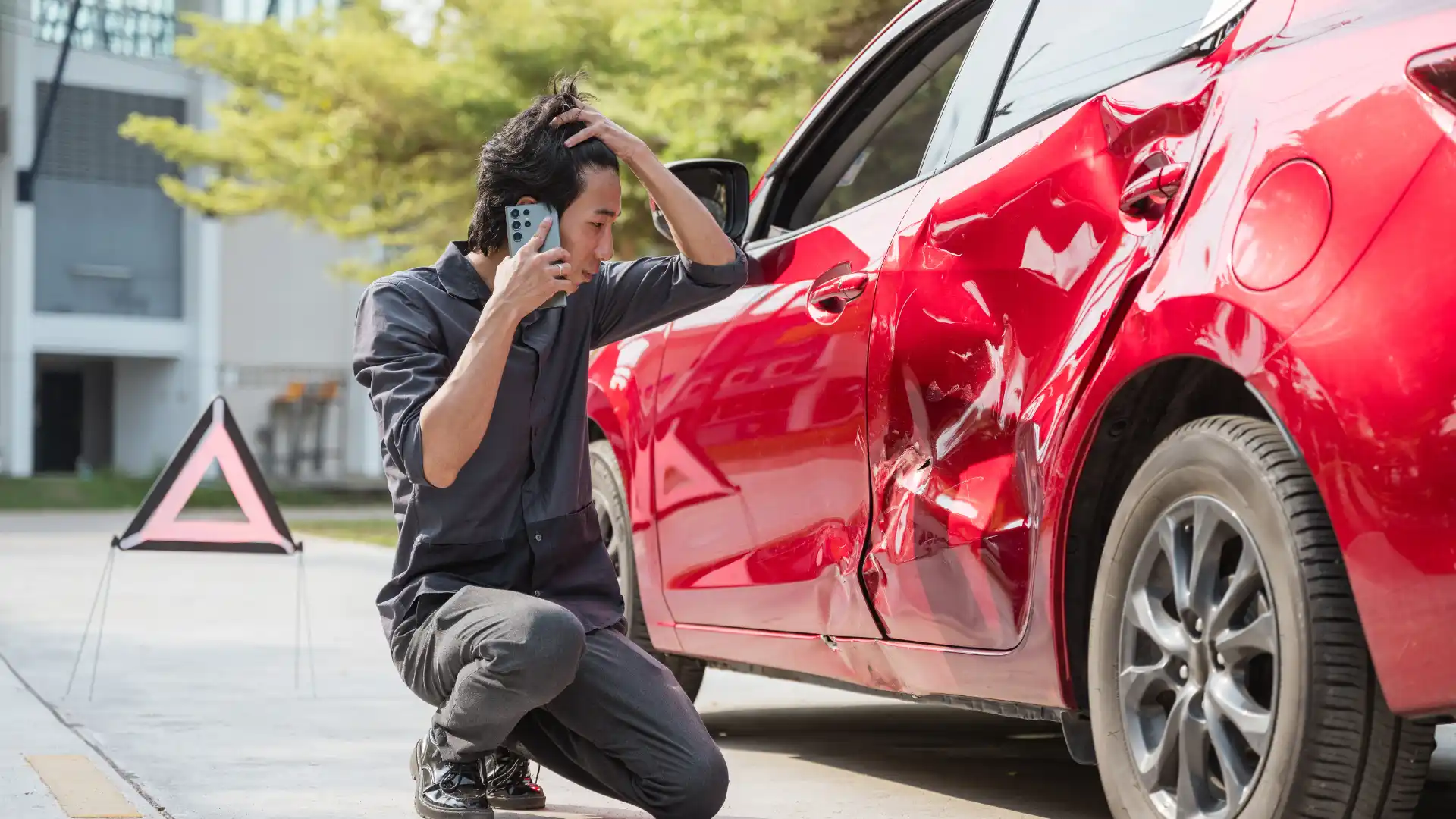
Don’t accept cash settlements from uninsured drivers. These informal agreements leave you without legal recourse if your injuries worsen or new medical issues emerge. Don’t delay seeking medical treatment. Gaps in medical care give insurers ammunition to argue your injuries aren’t serious. Don’t post about the accident on social media. Insurance companies monitor social media and use posts against claimants. Don’t give recorded statements to insurers without legal counsel. Anything you say can be used to minimize your claim.
Don’t settle with your insurer too quickly without understanding your full damages. Future medical treatment and long-term effects may not be apparent immediately. Don’t miss the statute of limitations deadline. You have two years from the accident date to file a personal injury claim in California. Don’t assume your claim will be automatically approved. Insurers often deny or undervalue claims, especially those with modest medical expenses or liability questions.
Frequently Asked Questions
What if I was partially at fault for the accident?
California’s comparative negligence law allows you to recover even if you’re partially responsible. Your recovery is reduced by your percentage of fault. For example, if you’re 20% at fault, you can recover 80%. Understanding partial fault in personal injury accidents can help you understand your recovery potential.
Can I sue an uninsured driver directly?
Yes, you can sue an uninsured driver directly. However, it’s often impractical since uninsured drivers typically lack assets to satisfy a judgment. Your UM coverage is usually a more reliable option for recovery.
How long do I have to file a claim?
California’s statute of limitations is two years from the date of the accident for personal injury claims. Property damage claims have a 3-year limit. Don’t wait to take action.
Will my insurance rates increase if I file a UM/UIM claim?
No. California law prohibits insurers from raising rates for UM/UIM claims filed against your own policy when you were not at fault in the accident. Filing a claim won’t penalize you with higher premiums if you were not responsible for the accident.
What if the other driver’s insurance is insufficient?
That’s exactly what UIM coverage addresses. It covers damages exceeding the at-fault driver’s policy limits up to your UIM limit. This is why carrying adequate UIM coverage is important.
Do I need an attorney for a UM/UIM claim?
While not required, an attorney significantly improves your outcome. Insurance companies use tactics to minimize payouts. An attorney with insurance defense experience understands these tactics and knows how to counter them. Many insurers undervalue claims, especially those with modest medical expenses or liability questions. Learn more about choosing the right personal injury lawyer for your case.
What damages can I recover?
You can recover medical expenses, lost wages, pain and suffering, property damage, and future medical treatment if applicable. An attorney can help ensure you’re compensated for all damages, including those that may develop later. Understanding how personal injury compensation is calculated helps you evaluate settlement offers.
Contact DJA Injury Attorneys for Your Free Consultation
If you’ve been in an accident with an uninsured or underinsured driver, contact us today. Call (949) 229-7228 for a free, no-obligtion case review. We’re available 24/7 to discuss your situation. Our firm’s contingency fee arrangement means you pay nothing upfront—we only get paid if we recover money for you.
DJA Injury Attorneys is located at 19671 Beach Blvd., Suite 415, Huntington Beach, CA 92648, serving accident victims throughout Orange County and Southern California. We understand the frustration of dealing with uninsured and underinsured drivers, and we’re committed to helping you recover the compensation you deserve.
Related Car Accident Resources
If you’ve experienced other types of motor vehicle accidents, DJA Injury Attorneys can help with those claims as well. Our experience extends to distracted driving accidents, drunk driving collisions, rideshare accidents involving Uber and Lyft, T-bone collisions, and fatal accidents. For a comprehensive overview of all accident types we handle, visit our Huntington Beach car accidents main page.
If you’ve been injured in a rideshare accident involving Uber or Lyft accidents, we have specialized experience in those claims as well.